Birdlife

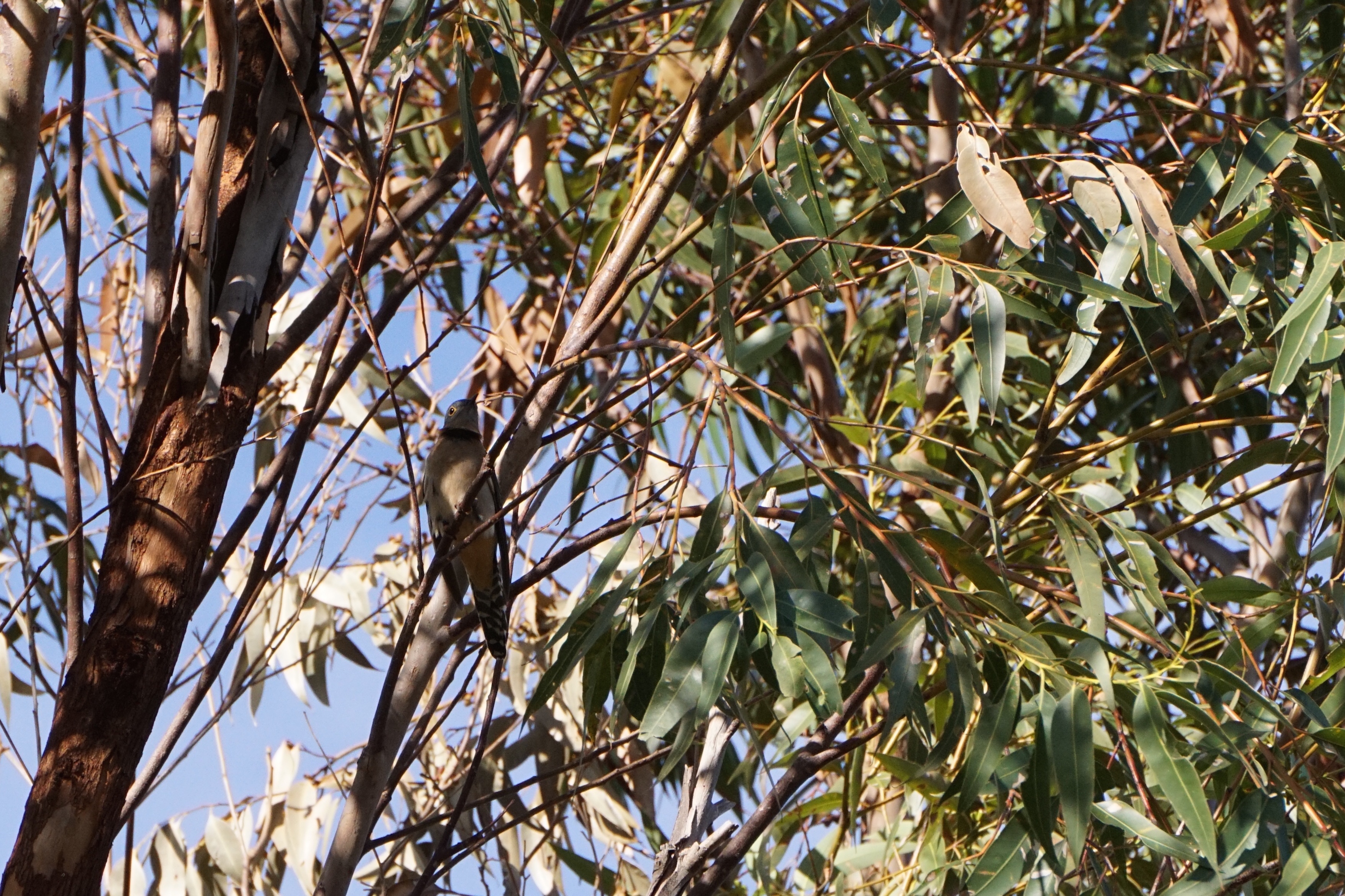
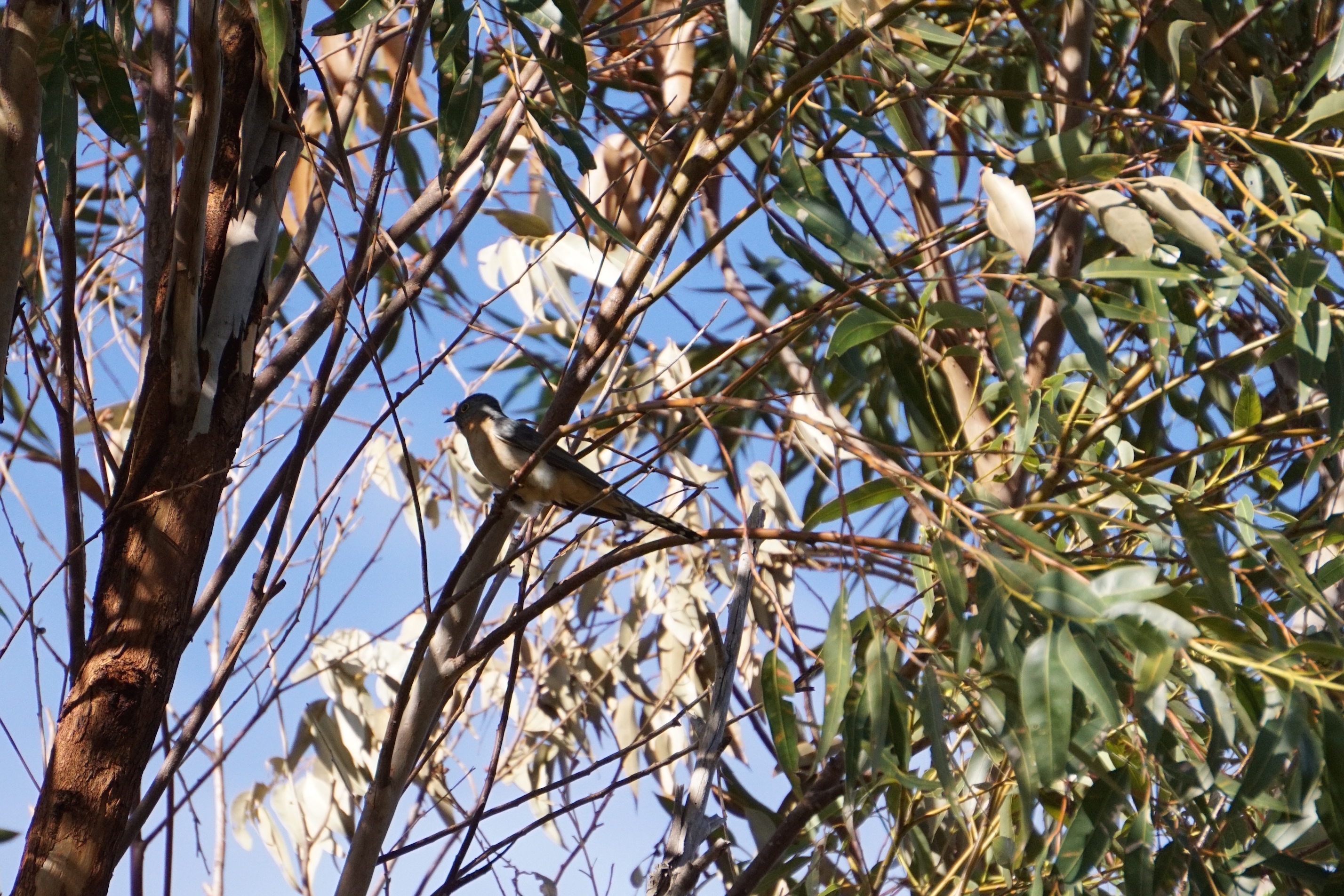
It is wonderful to see a variety of native birds on our property- and always exciting to see something new, especially when it is a bird we have heard many times but just could not see it! The Fan-tailed Cuckoo is one of those! It has a very distinctive call, so was easily identifiable….. but it always went quiet when we started to get close enough to see it! Well, finally we saw one- and managed a photo!

Fan-tailed cuckoo

Fan-tailed cuckoo

DSC05455

Pineapples!

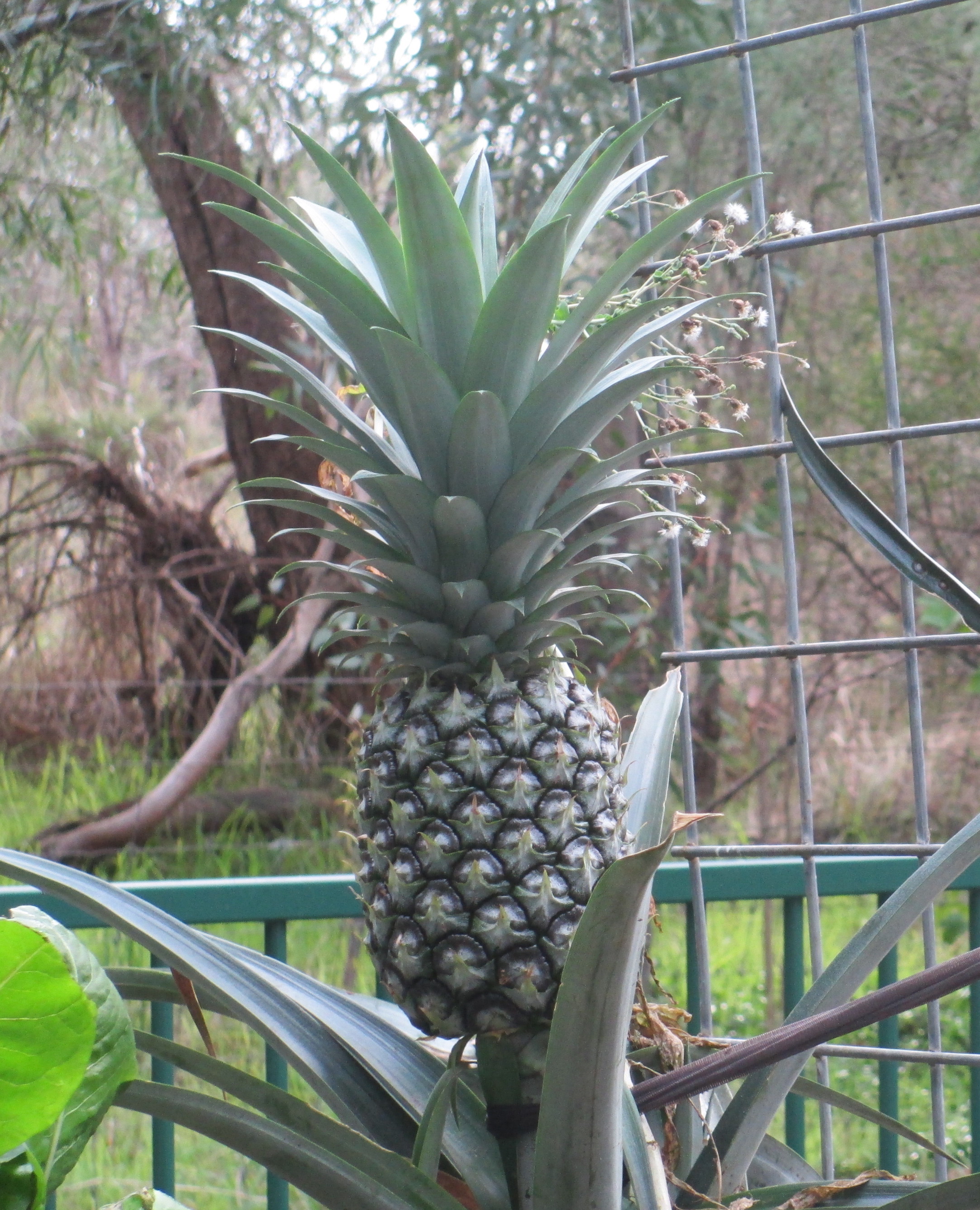
We have been growing pineapples from the tops of bought pineapples, and finally have some fruit this year! The plants in the aquaponics system have grown much quicker than those in the garden, interestingly. This beauty is almost ready….

Aquaponics pineapple

Aquaponics pineapple

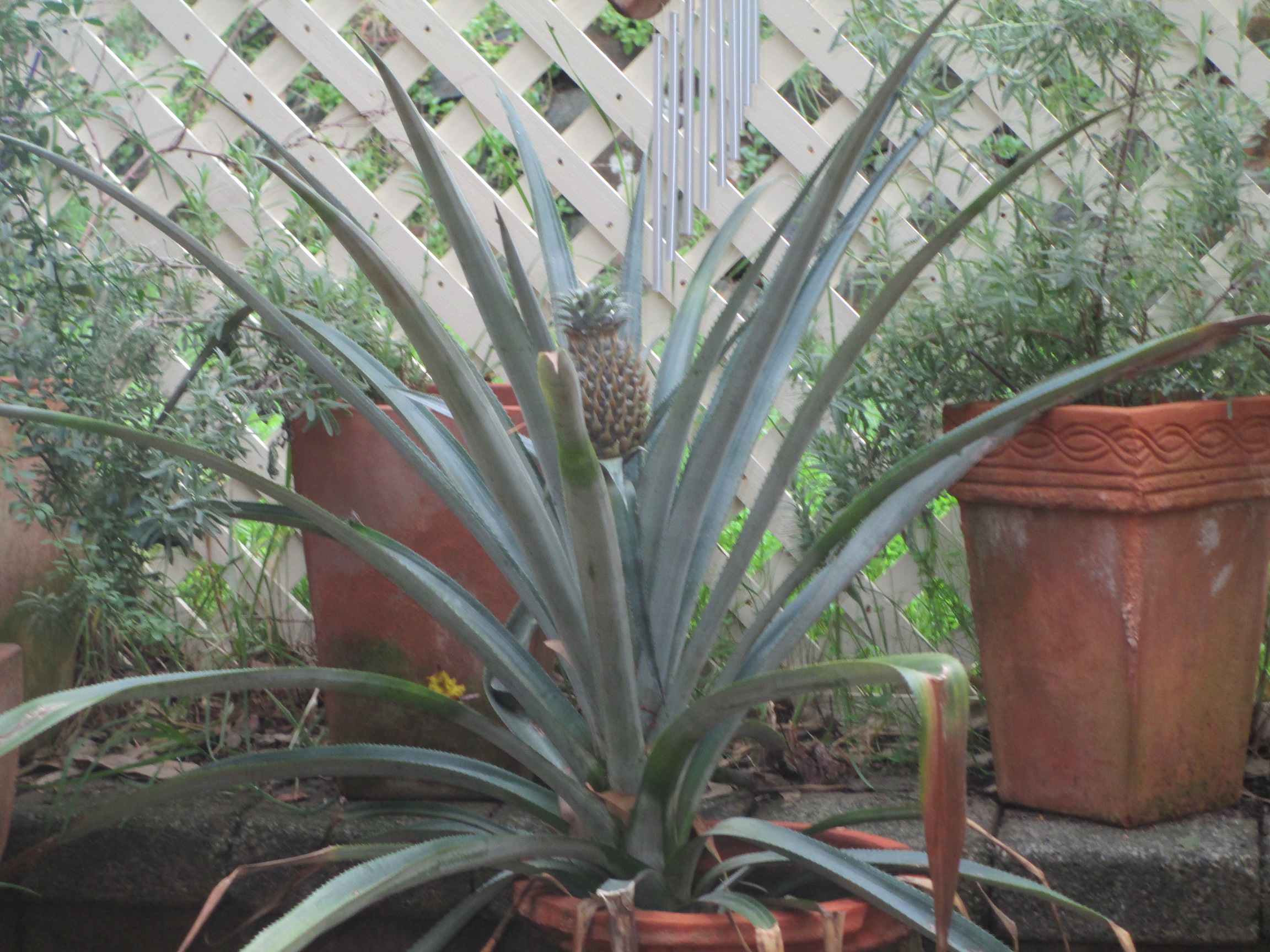
This is the one growing in a pot near the back of the house, not as big but growing!

Pineapple growing in a pot

Pineapple growing in a pot

Can’t wait for them to ripen!!

Amazing bees!

A while ago we posted about changing the kitchen Langstroth hive over to a Warre, well we have now finished the conversion. It took a little while because the brood were in Langstroth super, and we wanted to wait a while until the queen had moved down into a Warre super below…. well, she finally did and we felt we could remove the now superfluous Langstroth super.

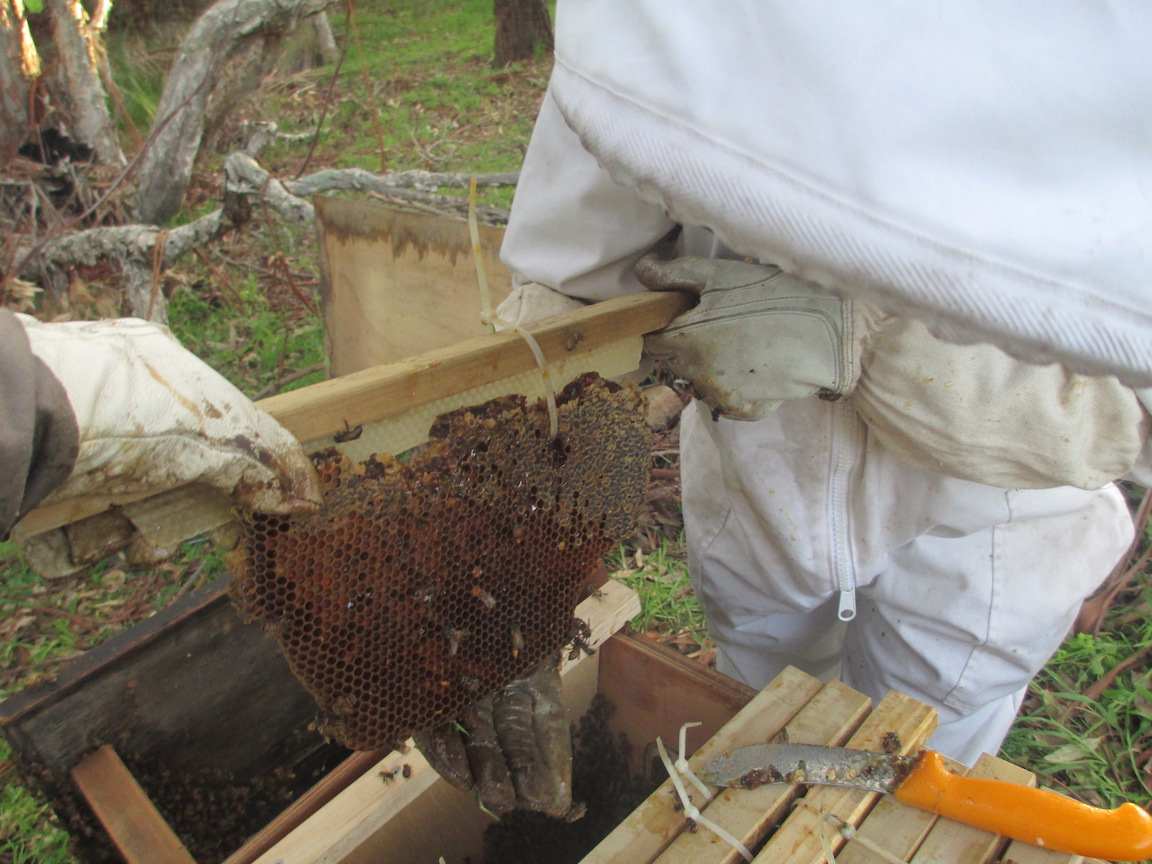
Because there was still some brood in the Langstroth however, we decided to cut it off the frames and attach it to some of the Warre frames- we really didn’t want to destroy what brood remained in there.

So, with knife in hand, we cut out just the right size and using elastic bands placed the brood comb into the Warre frames.
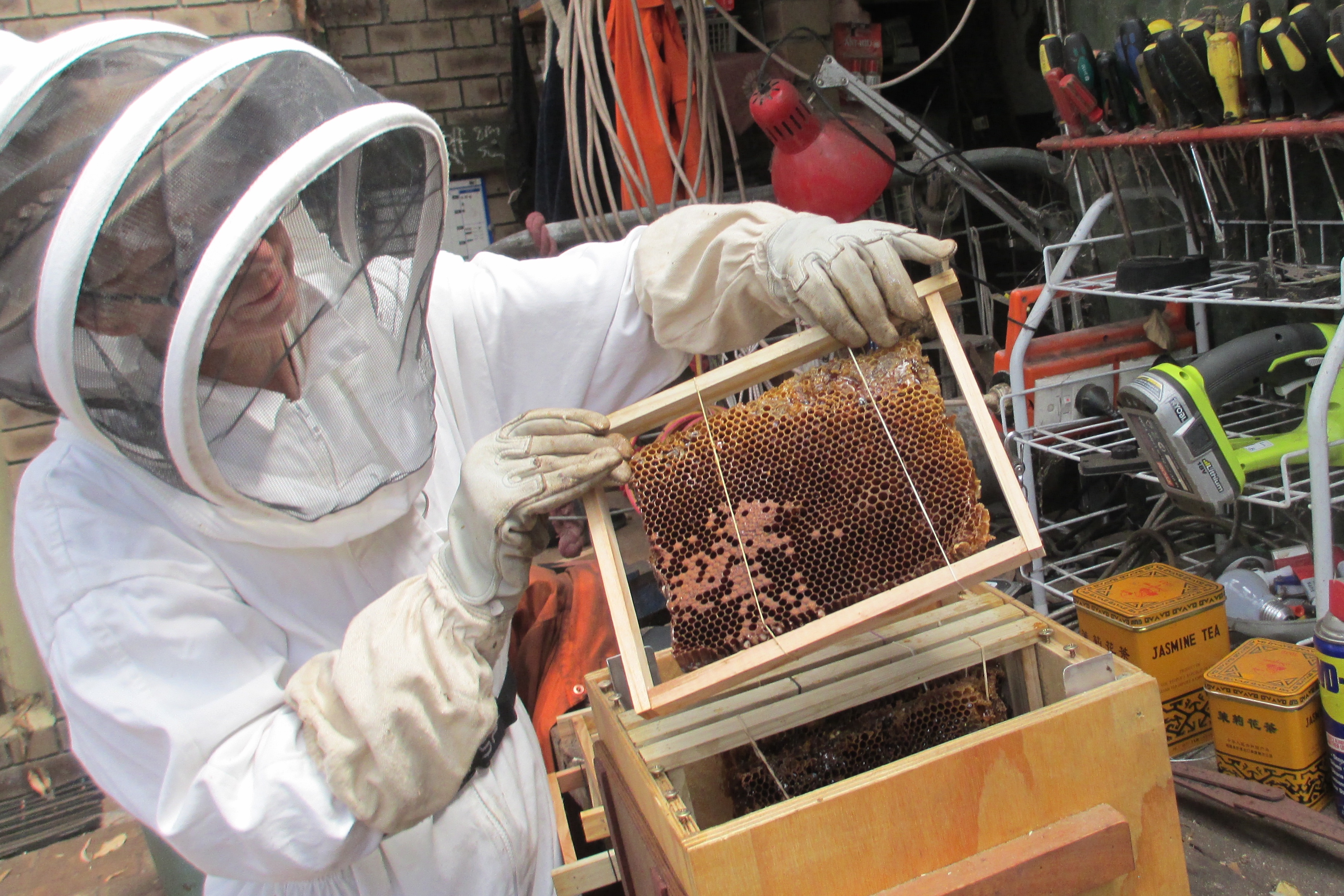
Brood from a Langstroth frame held in place in a Warre frame with elastic bands

Brood from a Langstroth frame held in place in a Warre frame with elastic bands

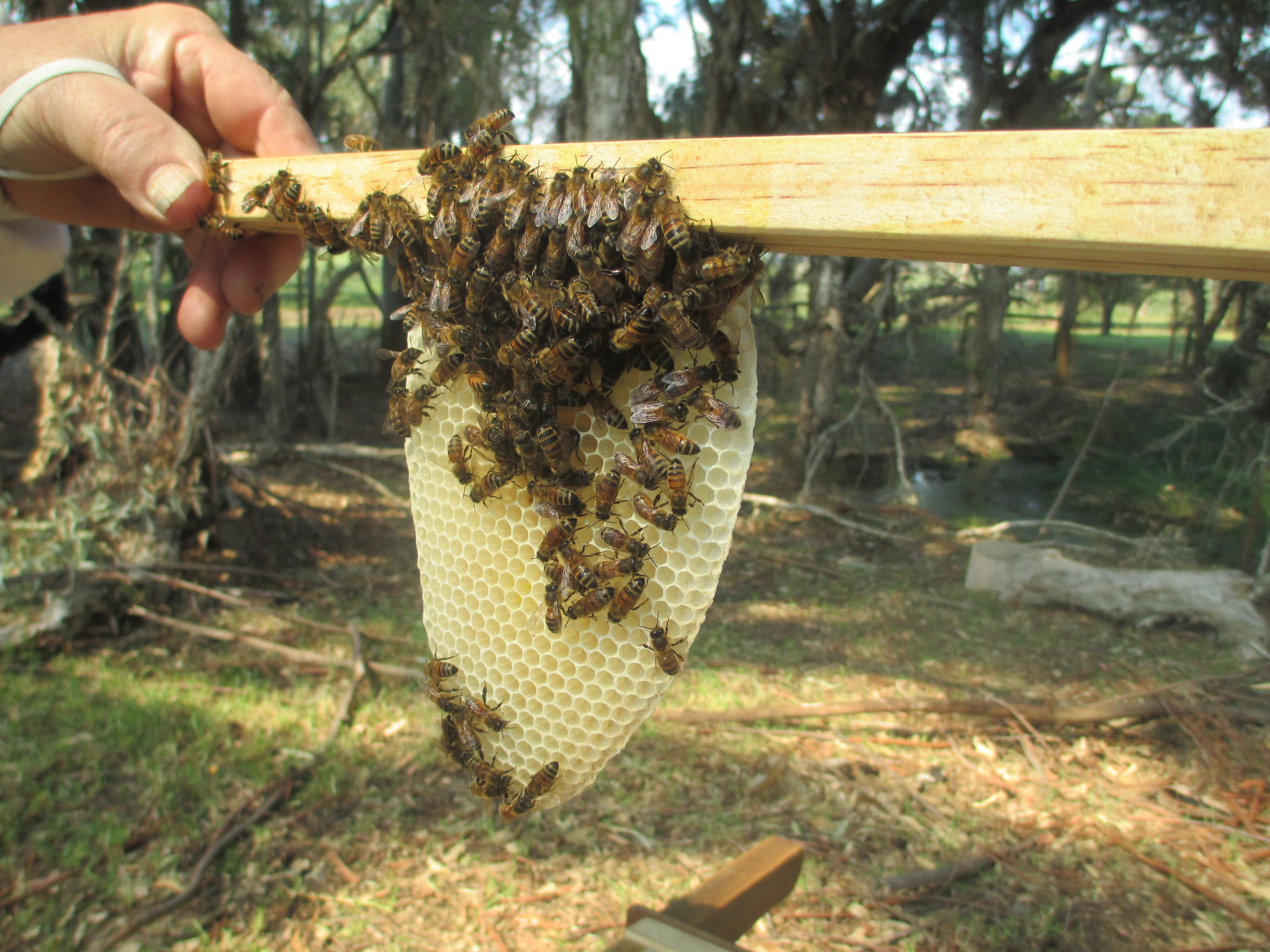
The final steps in the conversion went smoothly, and it wasn’t long before the bees got to work and secured the comb, removing the elastic bands from the hive!
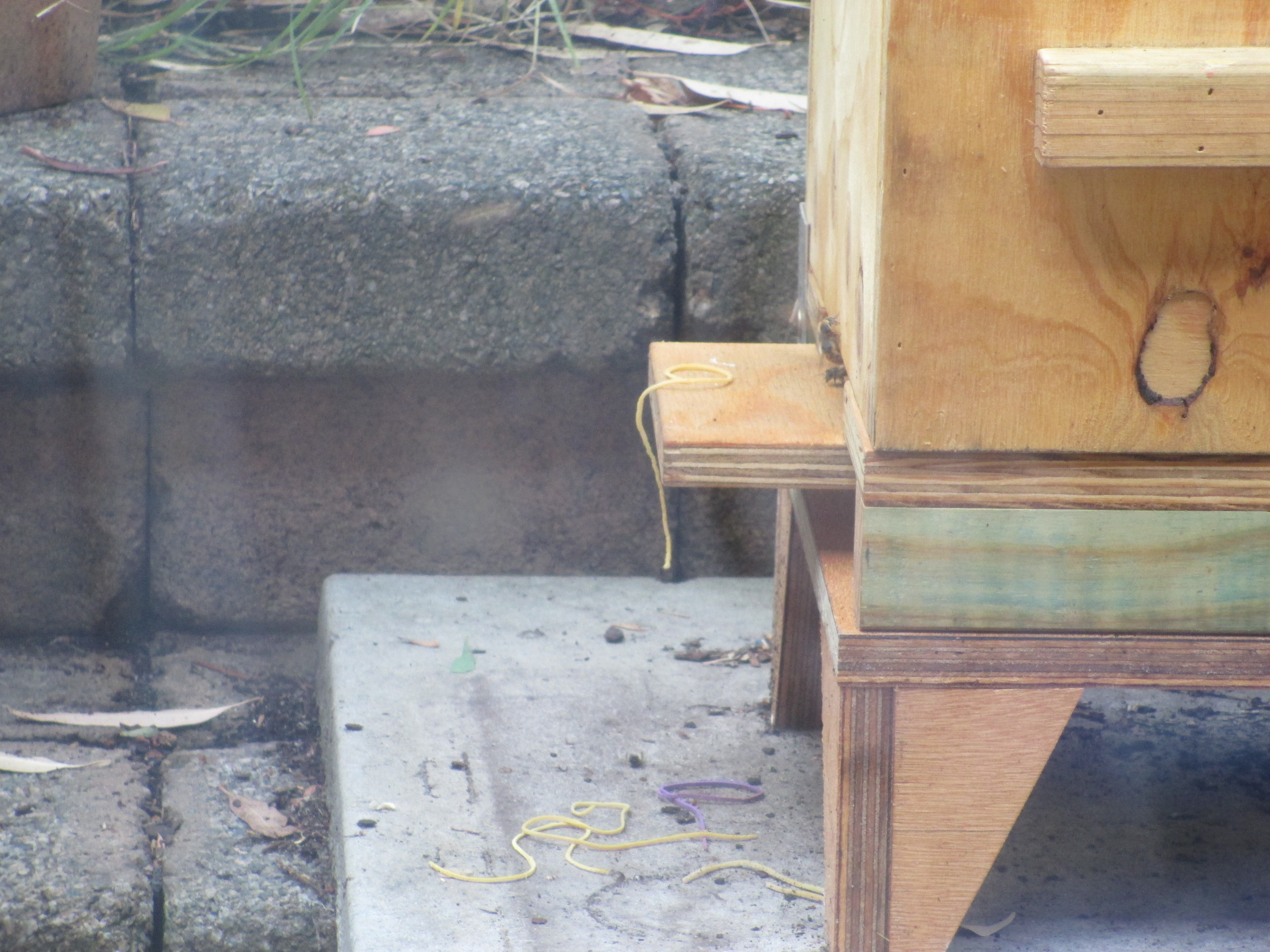
Bees removing elastic bands

Bees removing elastic bands

The Warre hive is now complete and looking healthy.
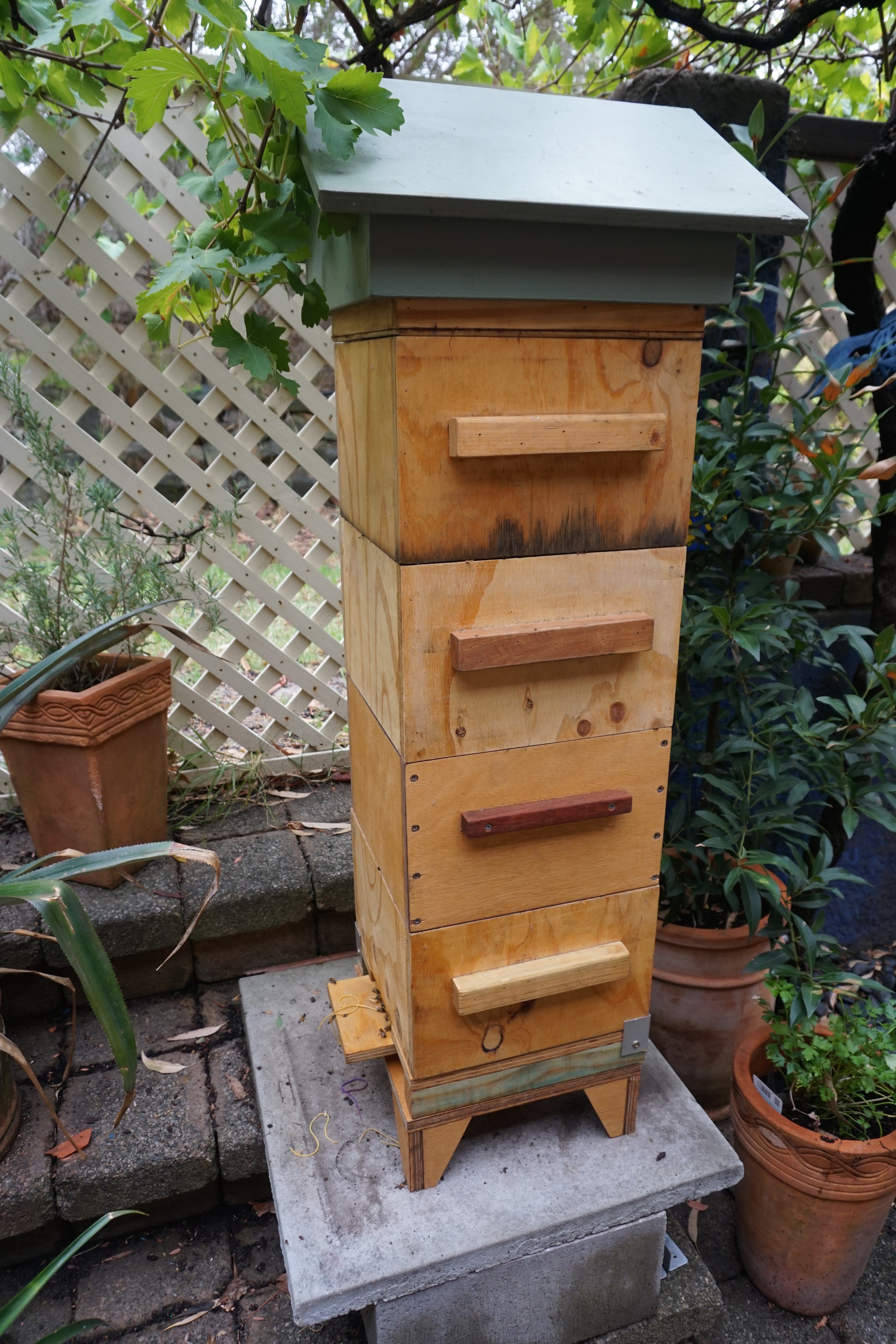
Warre hive
Warre hive

Trees!

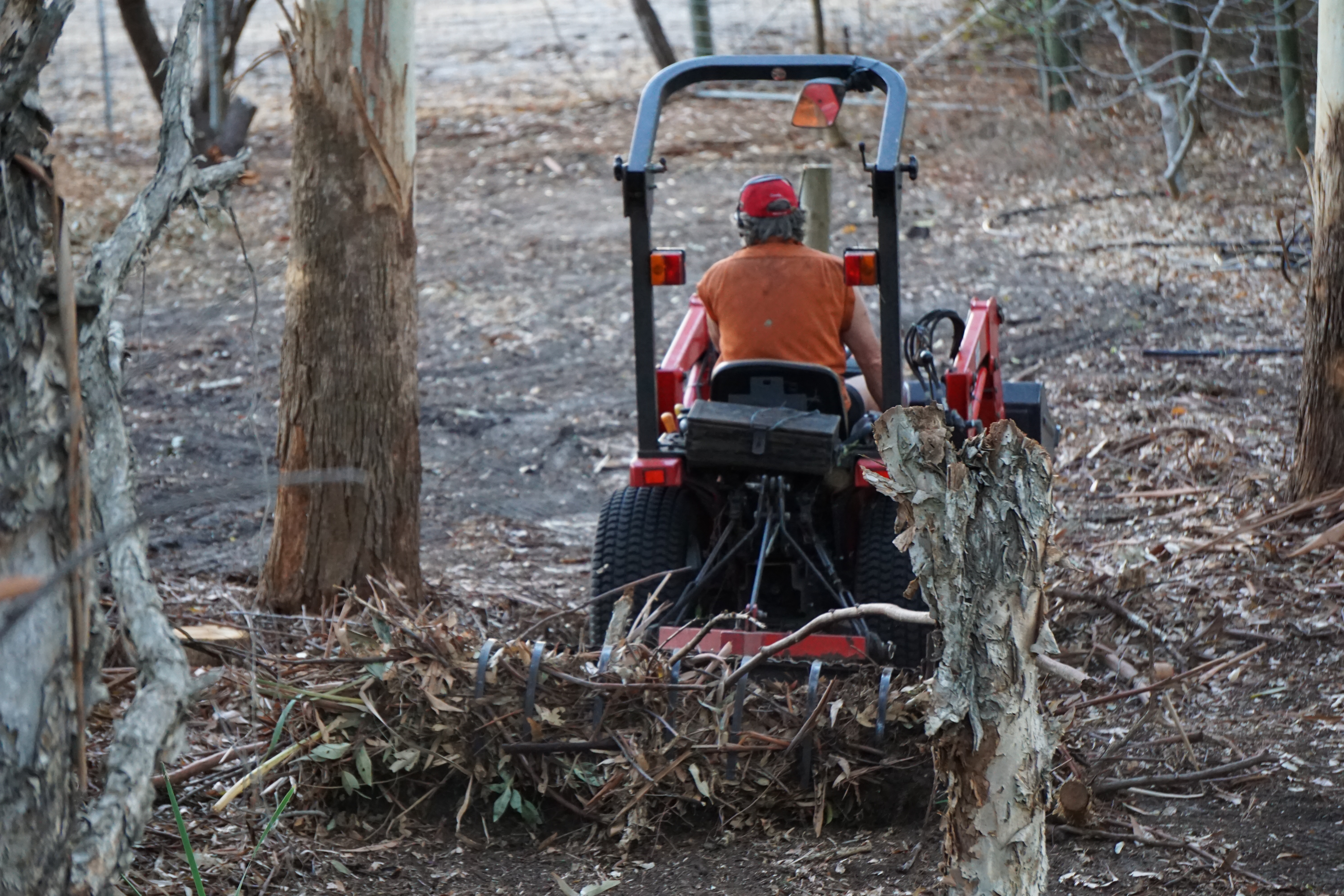
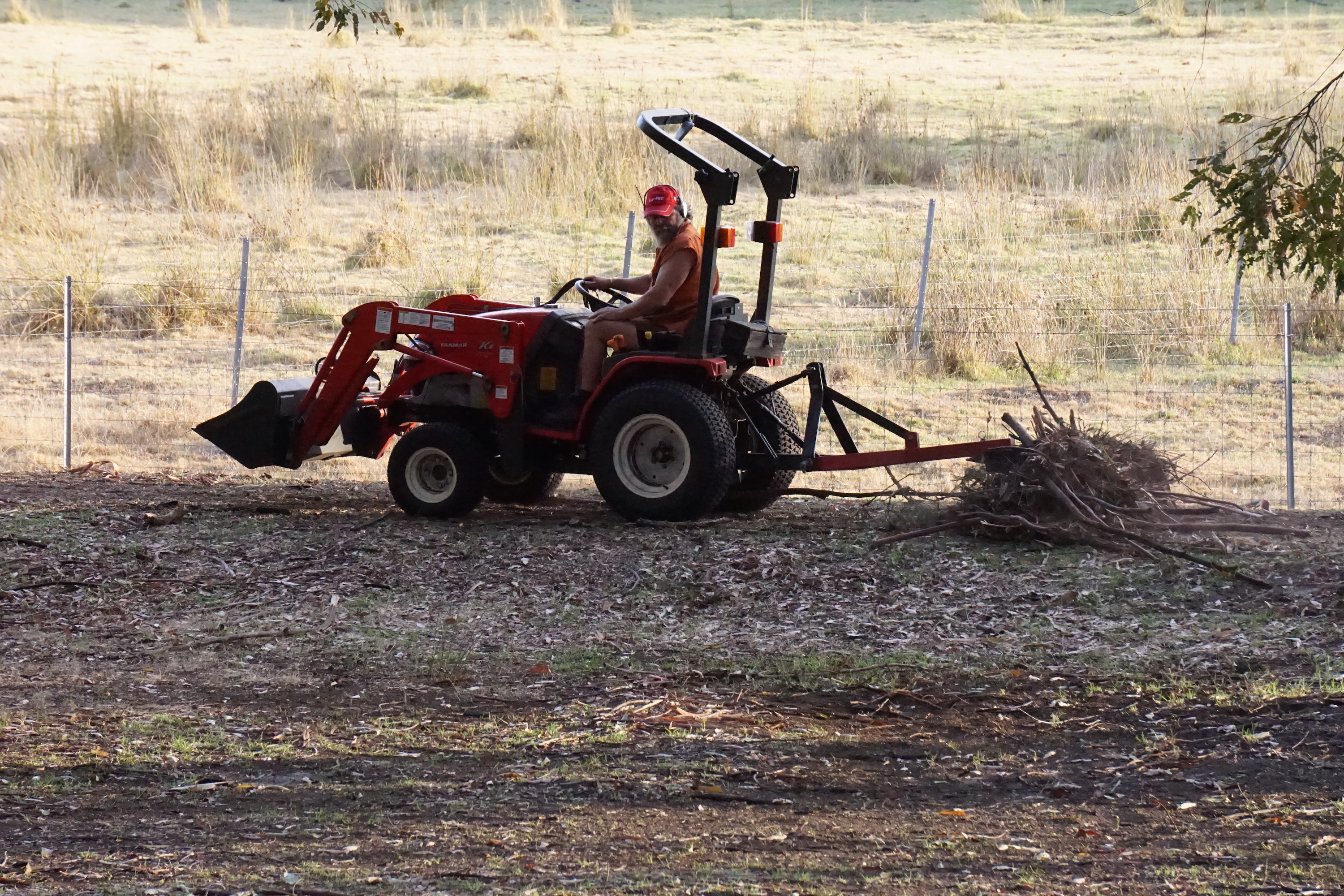
As mentioned before, we have been particularly busy working on reducing the fire hazards around the house. This has involved endless raking up, fortunately mostly using the big rake on the back of the tractor, plus professional tree loppers. We hired Branching Out, and they did a great job thinning out the trees too tall for us around the ‘snake lake’ mulching and clearing as they went.

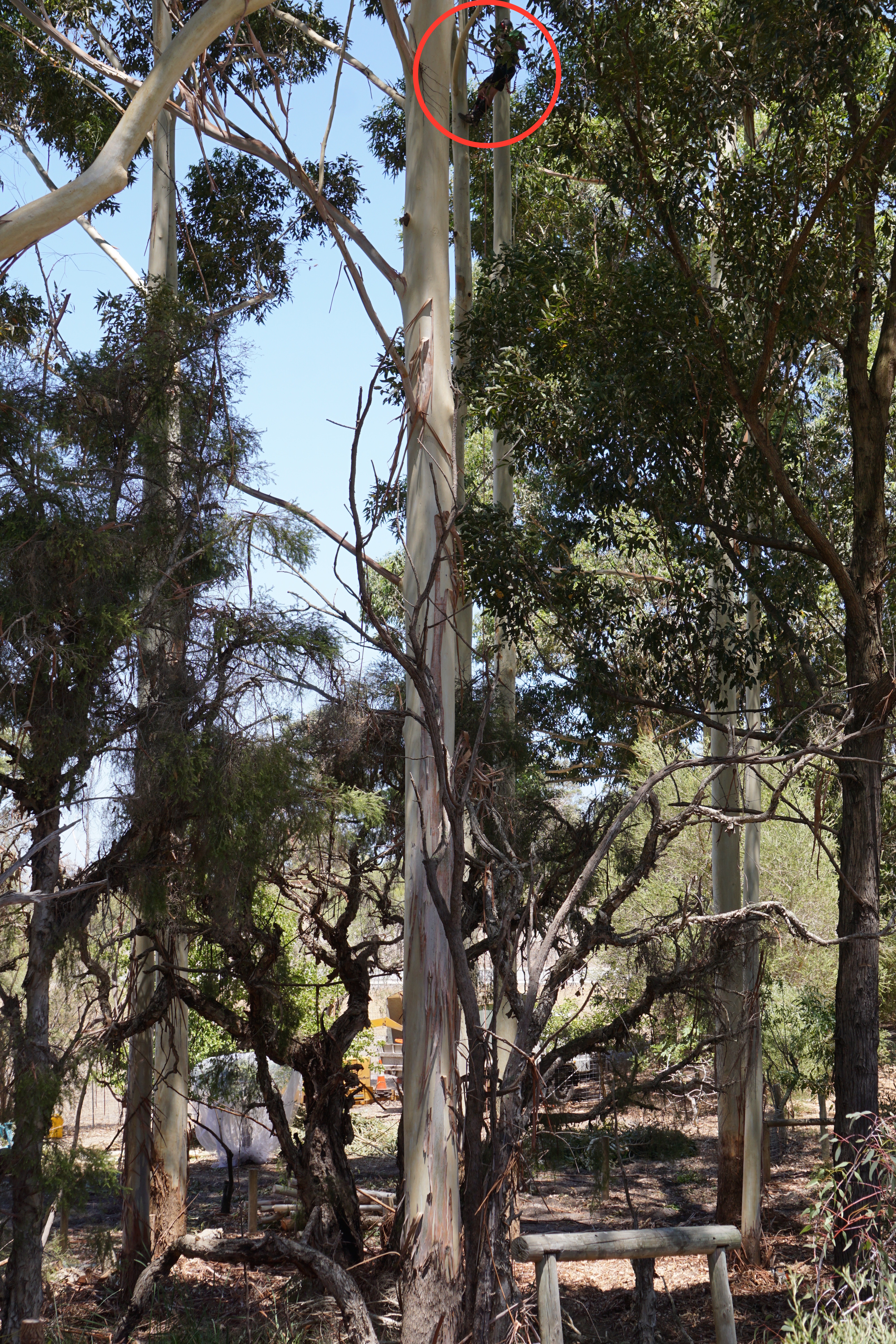
When we say tall trees, they really were very tall! The aim was to stop a fire in the leaf litter below getting up into the tree canopy and putting the house at risk.

This height really needs a professional!

This height really needs a professional!

Raking the leaves and twigs

Raking the leaves and twigs

Taking the leaves away from the house

Taking the leaves away from the house

Drop skinks!

It has been pretty busy here at McCarthy Park lately. We have had one bush fire already and have spent a fair bit of time doing more fire proofing, including getting some tree loppers in to help clear.

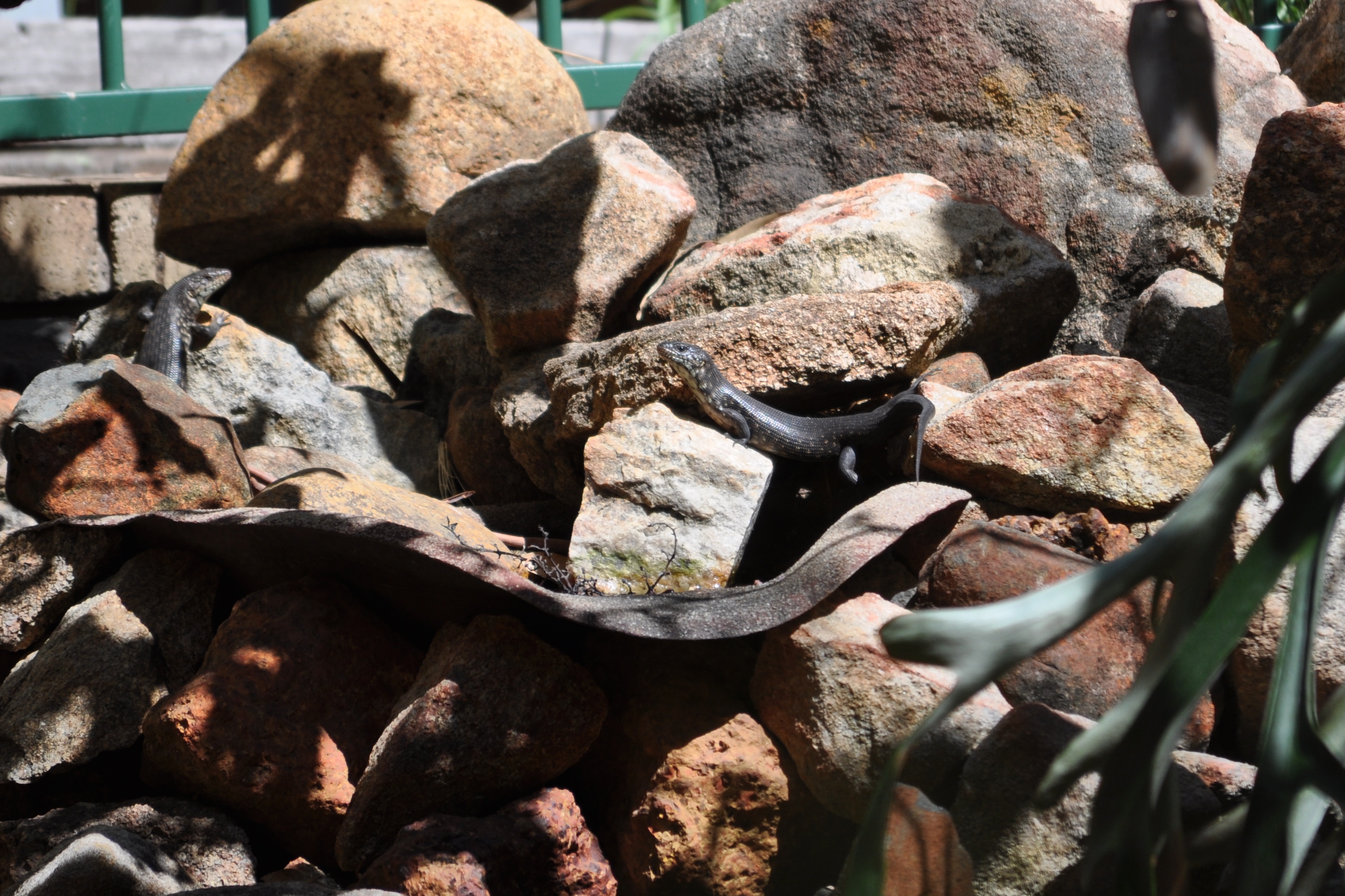
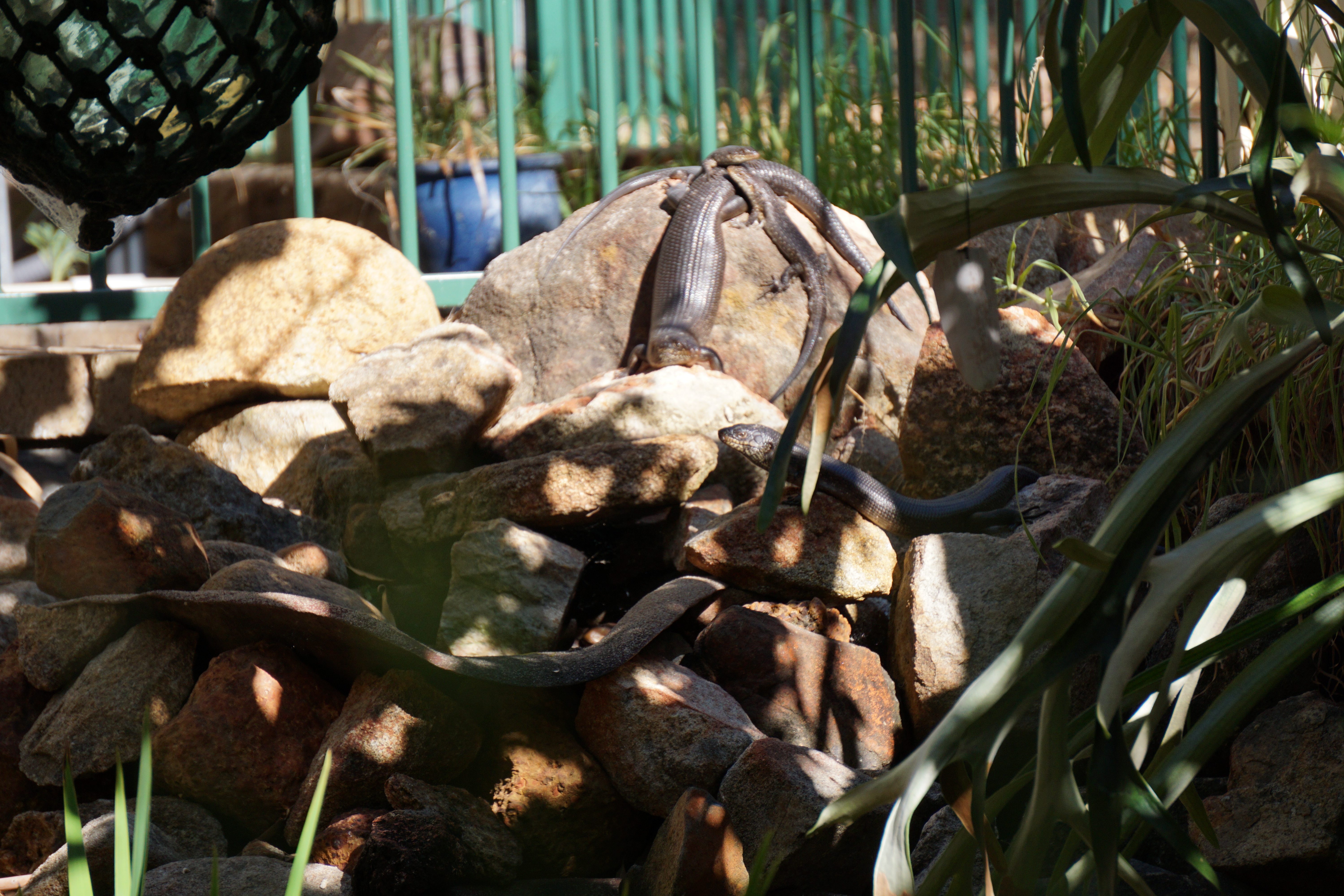
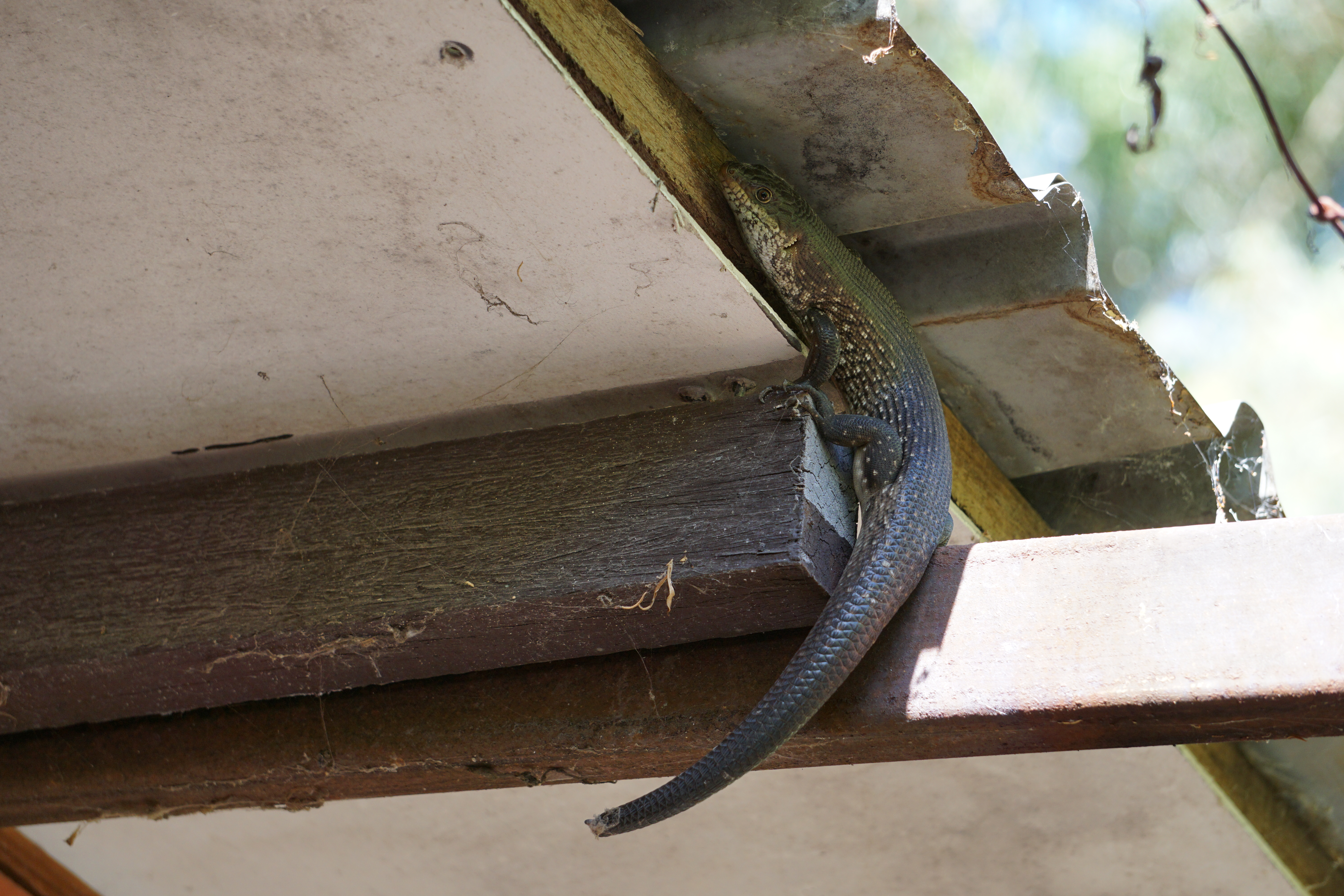
An entertaining aspect of the wildlife at present is the King skinks. We have always had a whole community of them in the rockery, and encourage them by giving some food now and then and keeping the dogs out of that area. We often have them in the roof space, and occasionally get quite energetic and run around.

this year, they have added a few kamikaze dives from either the eaves or the grape vines! Quite regularly we here a THUD and look out to see a skink on the ground!

King Skinks in the rockery

King Skinks in the rockery

DSC01783

Finding its way in!

Finding its way in!


Mead

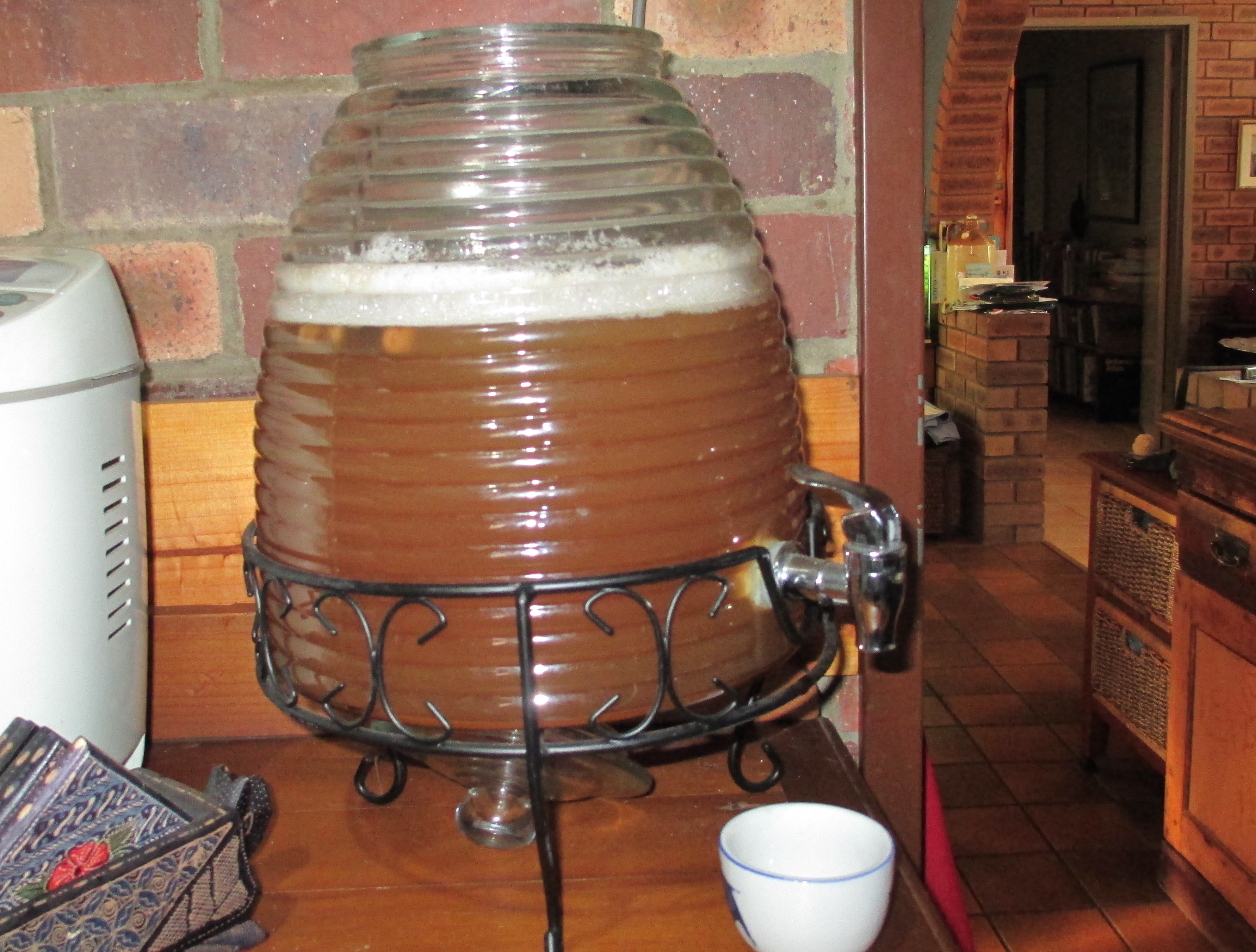
We have so much honey, and a lot of it crystallised, so we decided to try Sandor Katz T’ej (Ethiopian style honey wine) as described in his book ‘Wild Fermentation’. It is delicious, and so very easy to make! It has helped put the crystallised honey to good use- we just warmed it enough to liquify before mixing with the water.

Naturally fermented mead (T'ej)

Naturally fermented mead (T’ej)

Silver perch…

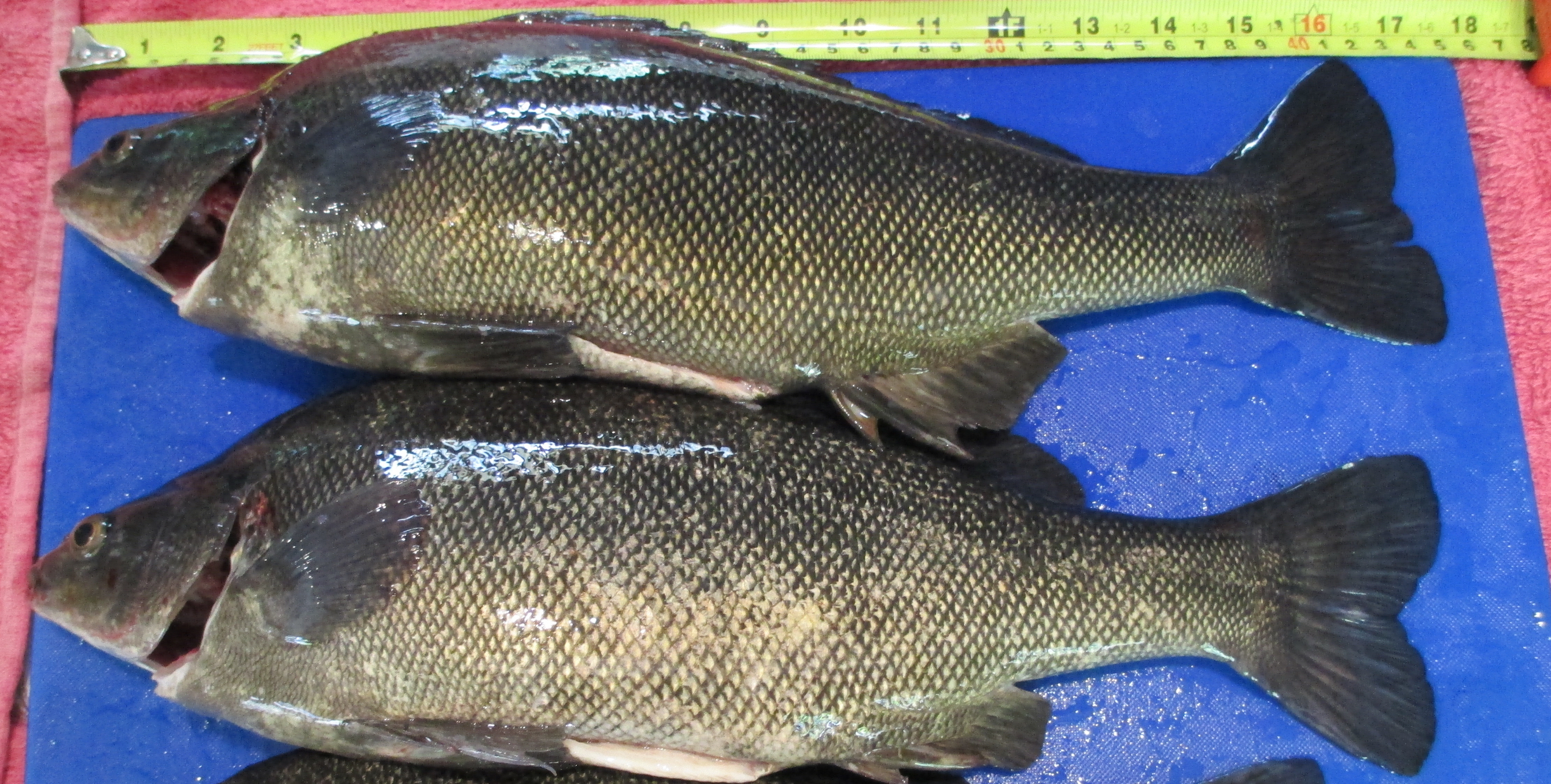
Now the weather is warming up and the Silver Perch in the swimming pool are more actively eating (they slow down a fair bit over the colder months), they are easy to catch on a fishing line. They like prawns, but their favourite is worms! The tricky part is catching more than one- it seems that once the first good sized one is caught, the others know and avoid the bait. We have our great net system now though, which means we can hop in and catch a few-selecting the ones to harvest and releasing the others. These two beauties were caught for a lunch with guests- the biggest was 1.2kg!

Silver Perch

Silver Perch

Topbar hive

We have read quite a lot about the different styles of hives and which may be best for the bees. We decided we would experiment! The box of bees was getting really full so we decided to have a Topbar hive made for this area.

The full bee 'box'

The full bee ‘box’

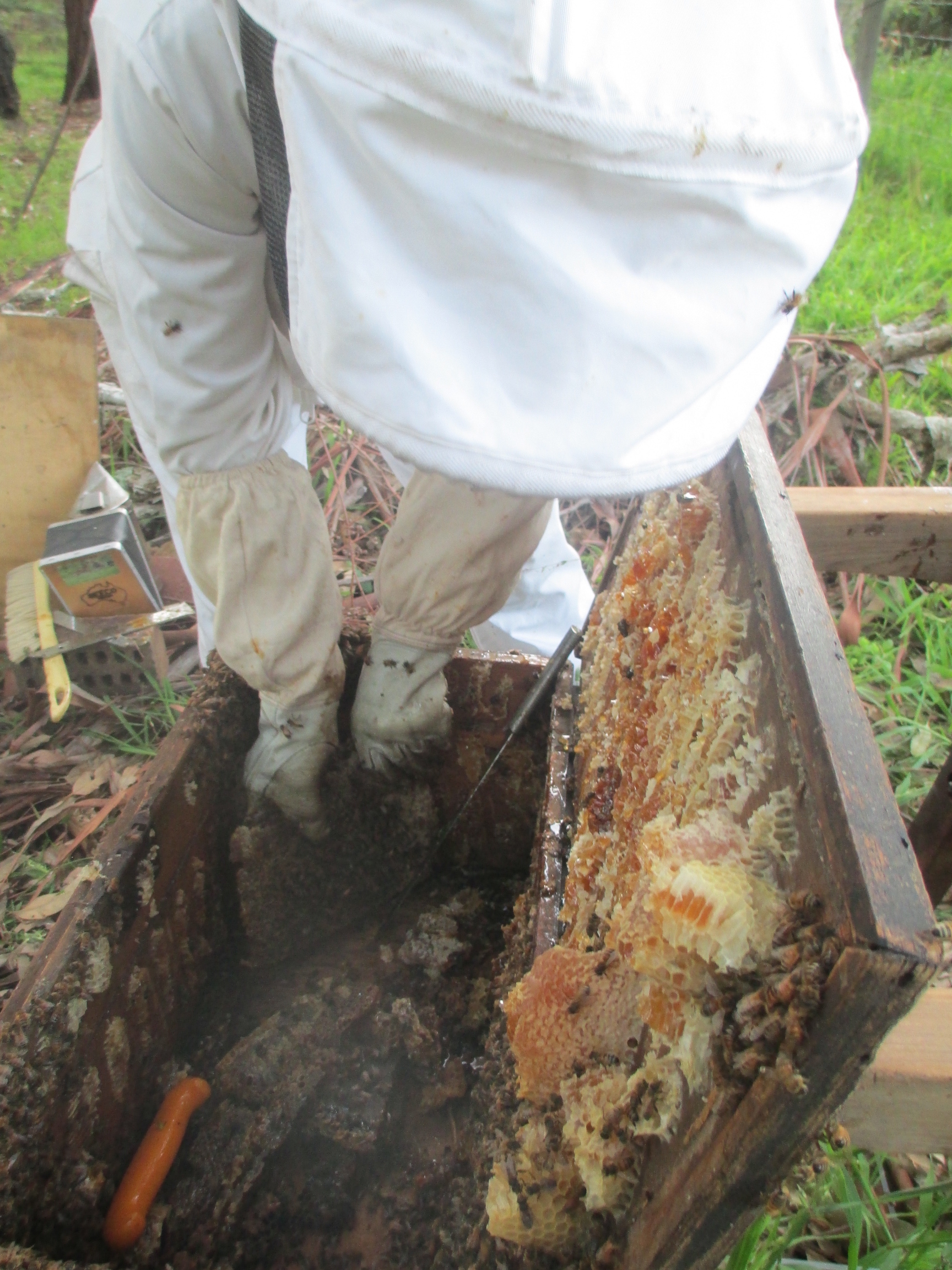
We cut the comb from the box, getting as much as we could-especially comb with brood.

Cutting out the comb

Cutting out the comb

This was cable tied to the top bars.

Comb cut from the box and cable tied to the top bars.

Comb cut from the box and cable tied to the top bars.

When we had as much as we could, we replaced the Topbar hive in the same position and direction as the box, closed it up and left it for a week. A week later, a few of the bits of comb had fallen off and were removed, but the bees had strengthened several others and even started creating their own fresh comb!

IMG_3832


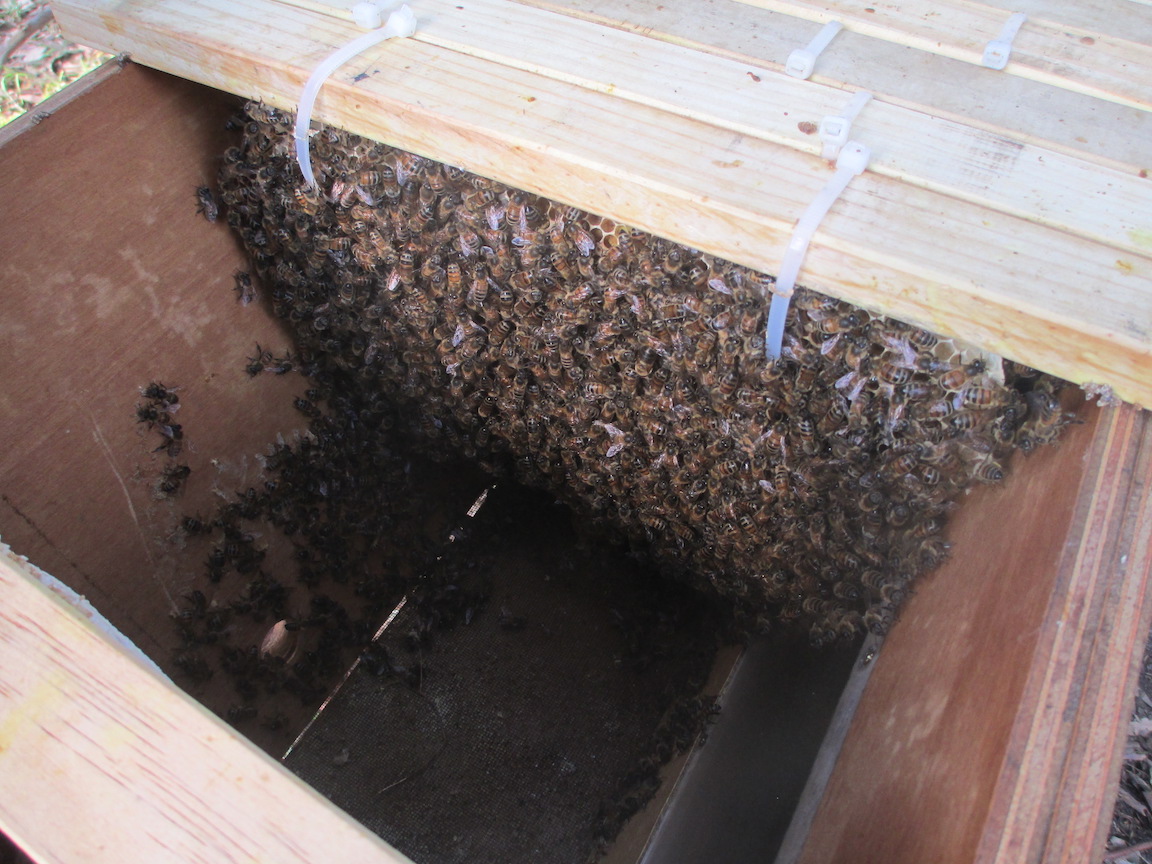
The bee numbers looked really healthy, especially given the numbers that were lost in the process of transferring from the box to the Topbar.


Great number of bees after only one week

Great number of bees after only one week

The bees are coming and going very happily!

IMG_3841

Honey, honey, honey…….

Well, the hives are going well. We decided to re-queen both hives- we had read a lot of advice on re-queening annually, plus with the billabong hive still behaving aggressively we decided that replacing the queen was the only option. Never having done it before, we did some research and found it surprisingly easy. The hardest part was finding the old queens and removing them!

After re-queening, we left the hive for 10 days and then checked, and sure enough the billabong hive was calmer already, so we knew we had done the right thing. With the weather getting cooler, it was also time to reduce the number of supers again. We had already removed one super from each of the kitchen and billabong hives, and harvested heaps of honey, and we now reduced them further. For winter, each hive has the brood box and one super, which is more than half full of honey. We will keep an eye on them but hopefully this will keep them going over winter. Mind you, it has been amazingly mild so far and the bees are continuing to bring in pollen at a great rate!

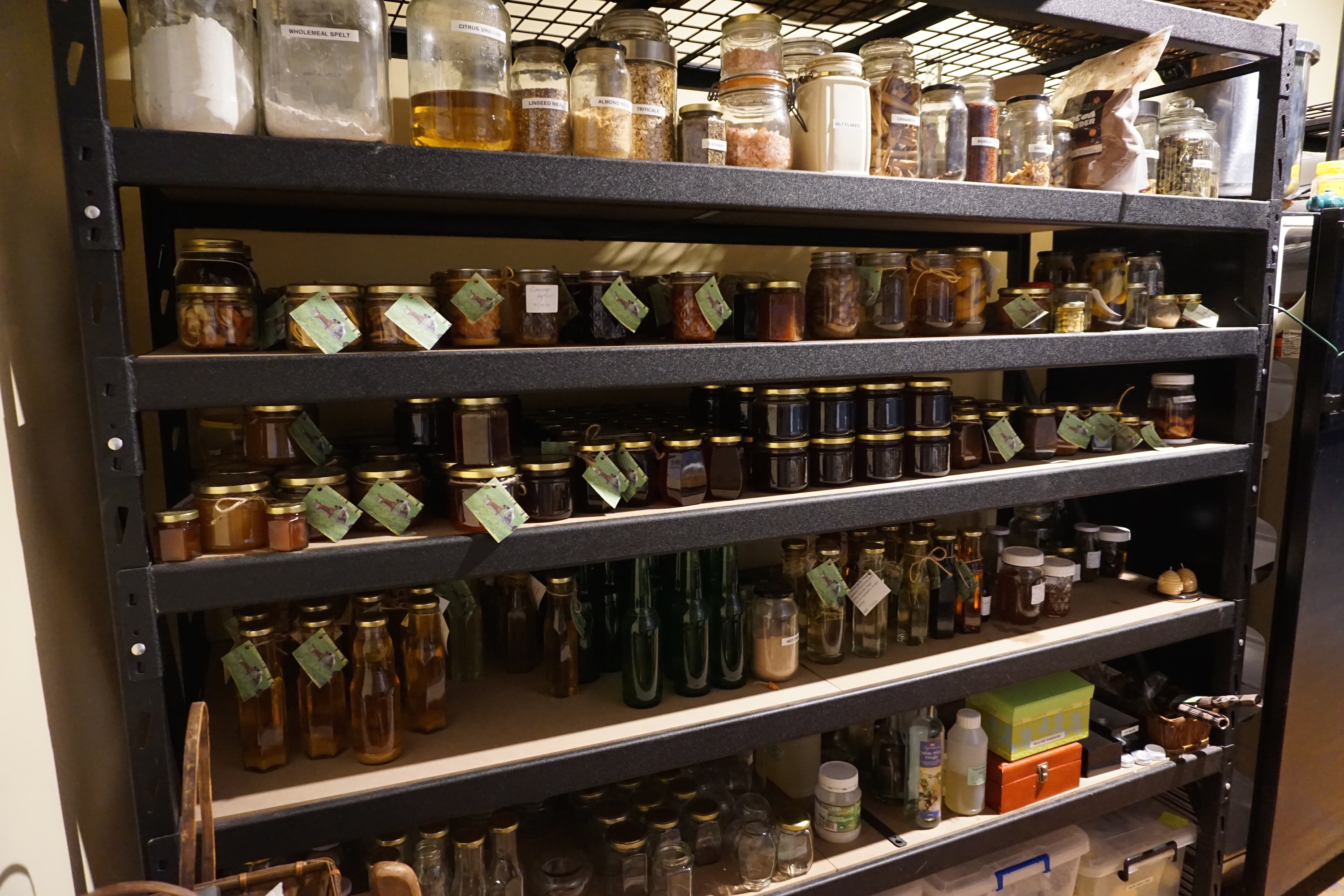
Produce room full of honey

Produce room full of honey

Bees ……

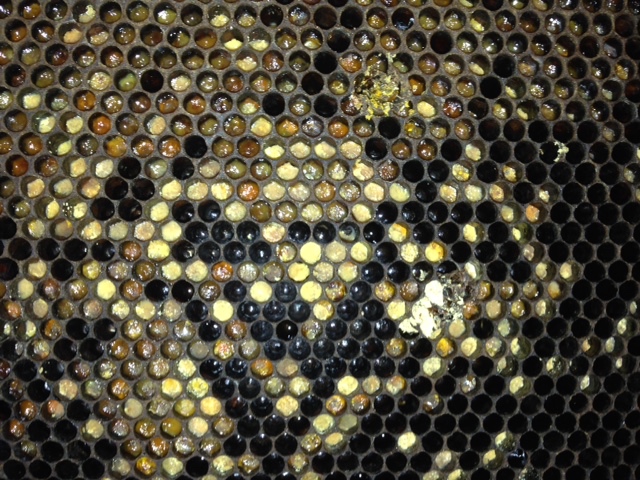
We had such a great harvest in March, from both hives, but then left it too long before checking them again. One month later the ‘billabong hive’ had turned quite aggressive, with both of us getting stung through our suits. On checking the brood box, we found queen cells, no sign of a queen, and no sign of brood either. We did only check the 6 centre frames but by then really needed to close up the hive as we were getting seriously attacked! The frames looked pretty empty, apart from some that had plenty of pollen and money in them.

Pollen and honey but no brood

Pollen and honey but no brood

So, stings treated and up to the kitchen hive to check. This hive was looking better, so we removed a frame of brood (getting stung for our trouble again!) and went back to the billabong hive to replace an empty frame.

The following weekend we checked it out, and found at least one other frames (as well as the one we added) with brood, o there must have been a queen already from one of the queen cells, and she had just started laying! Hopefully disaster averted. Time to check again this week…………